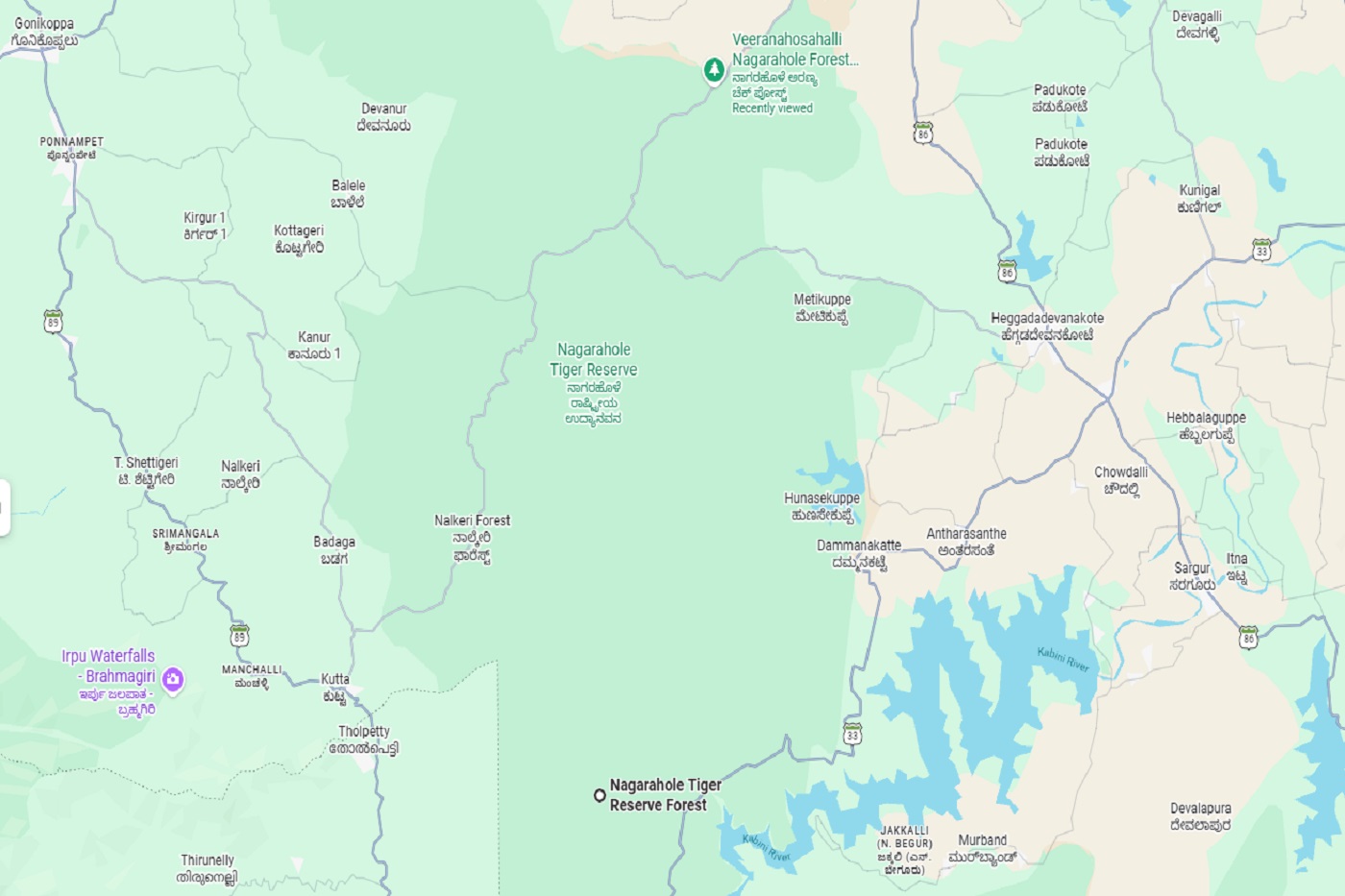
Nagarahole National Park is a calm and peaceful wildlife destination in the southern state of Karnataka. It is spread across the Kodagu and Mysore districts of the state. Nagarahole was formerly known as Rajiv Gandhi National Park. The name Nagarahole is derived from Nagara = Cobra Serpent and Hole = River, which indicates snakes through its rich tropical forests, in Kannada. The Nagarahole River runs through the forest and later merges into the Kabini River, which forms the natural border between Nagarahole and Bandipur.
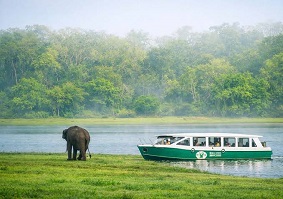
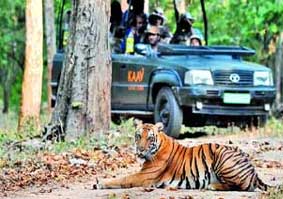
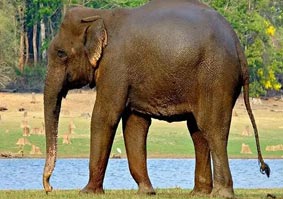
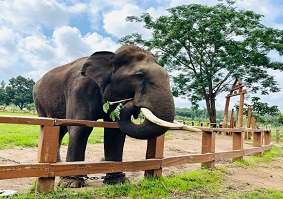
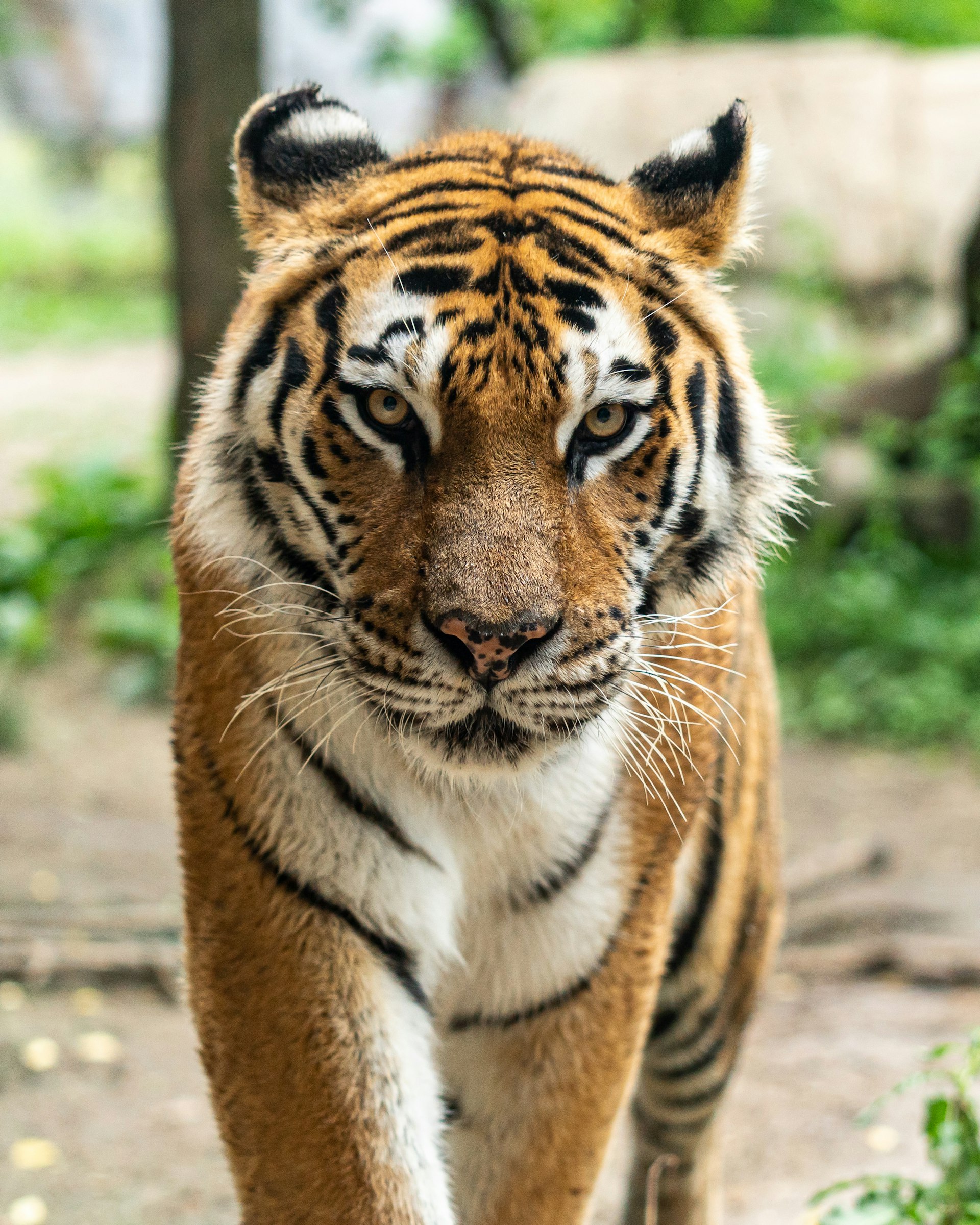
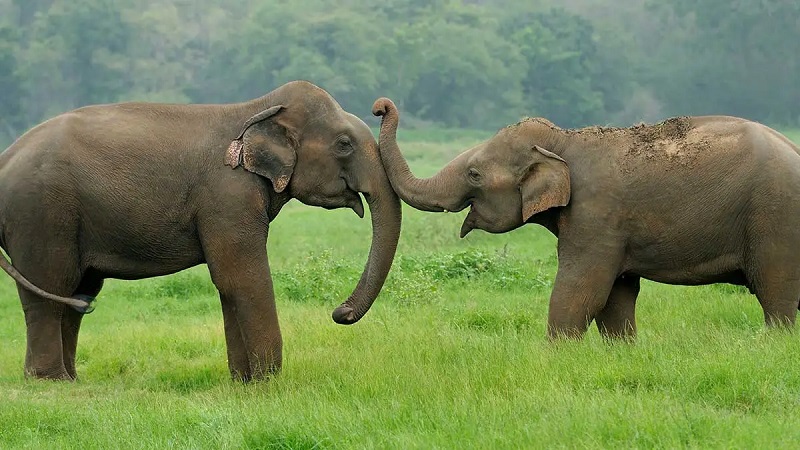
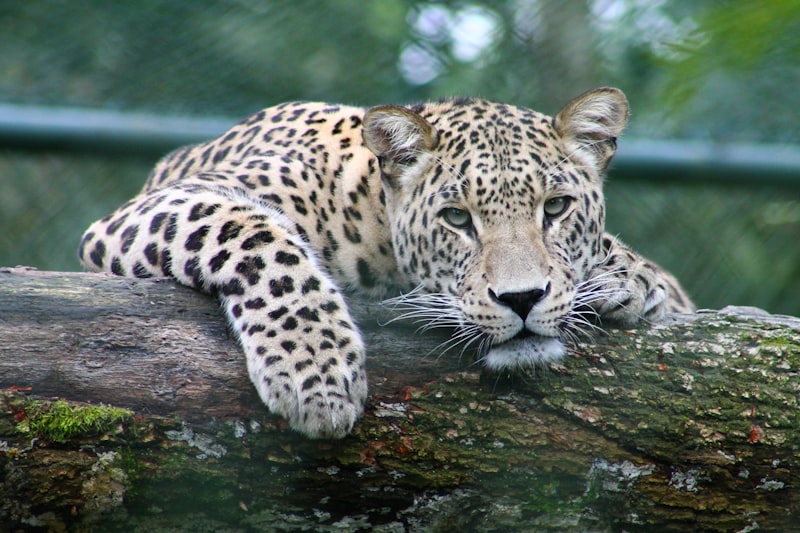
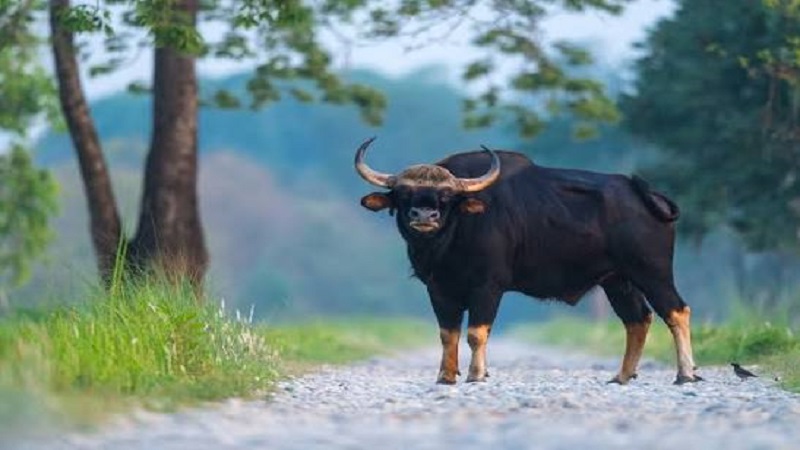
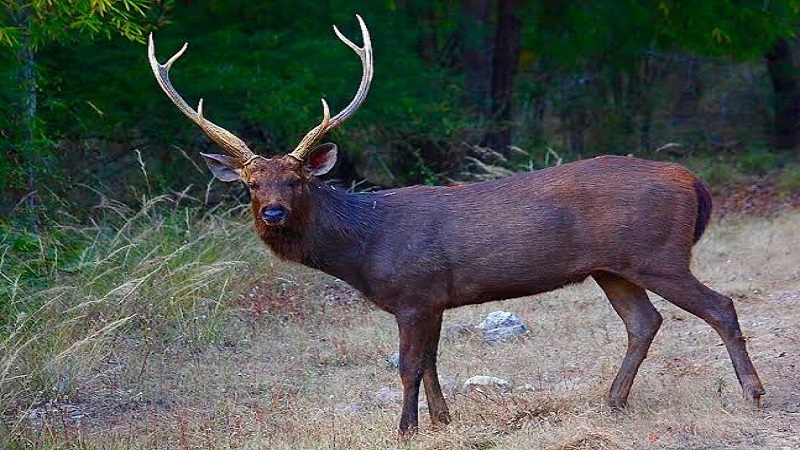
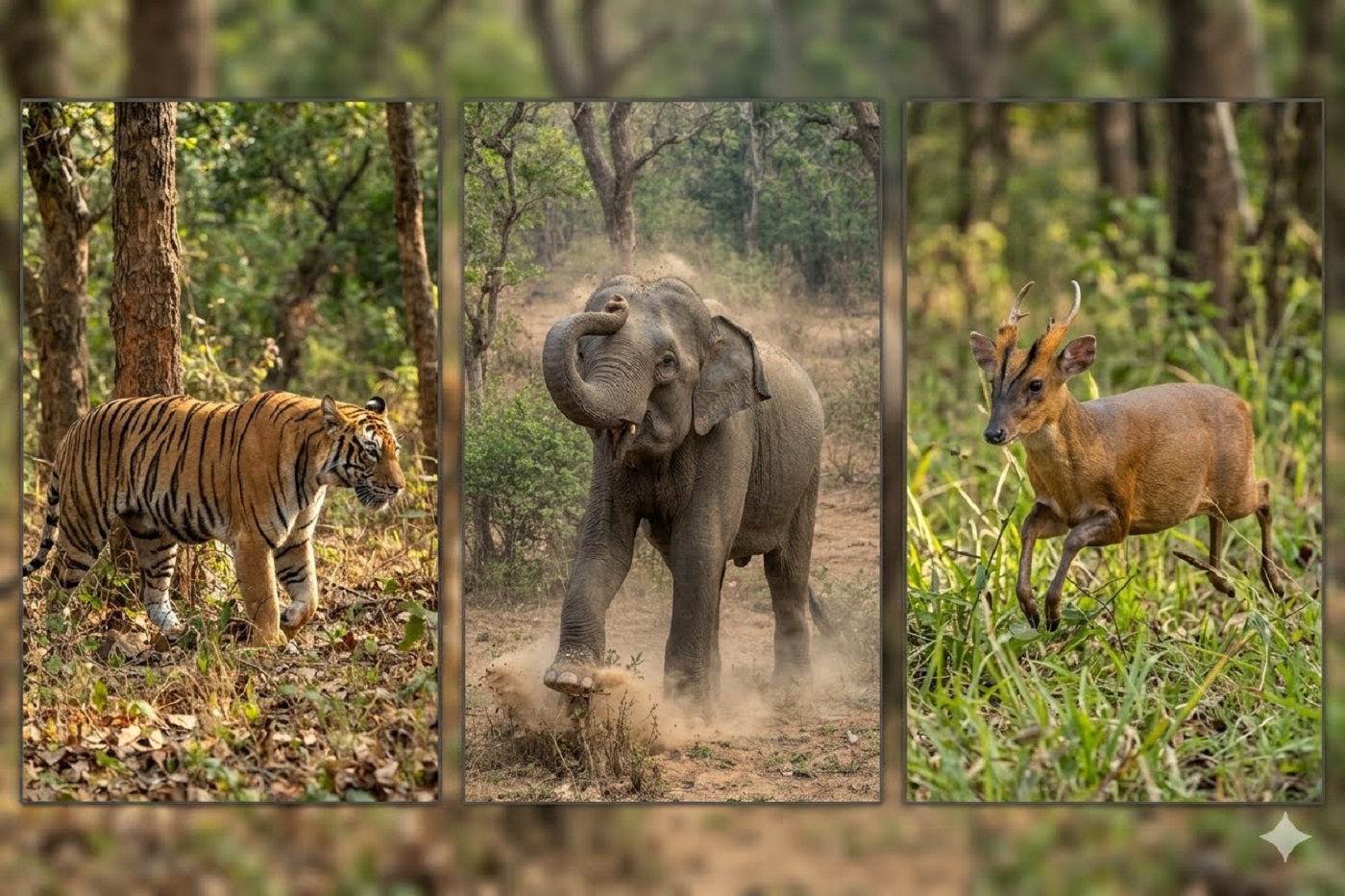
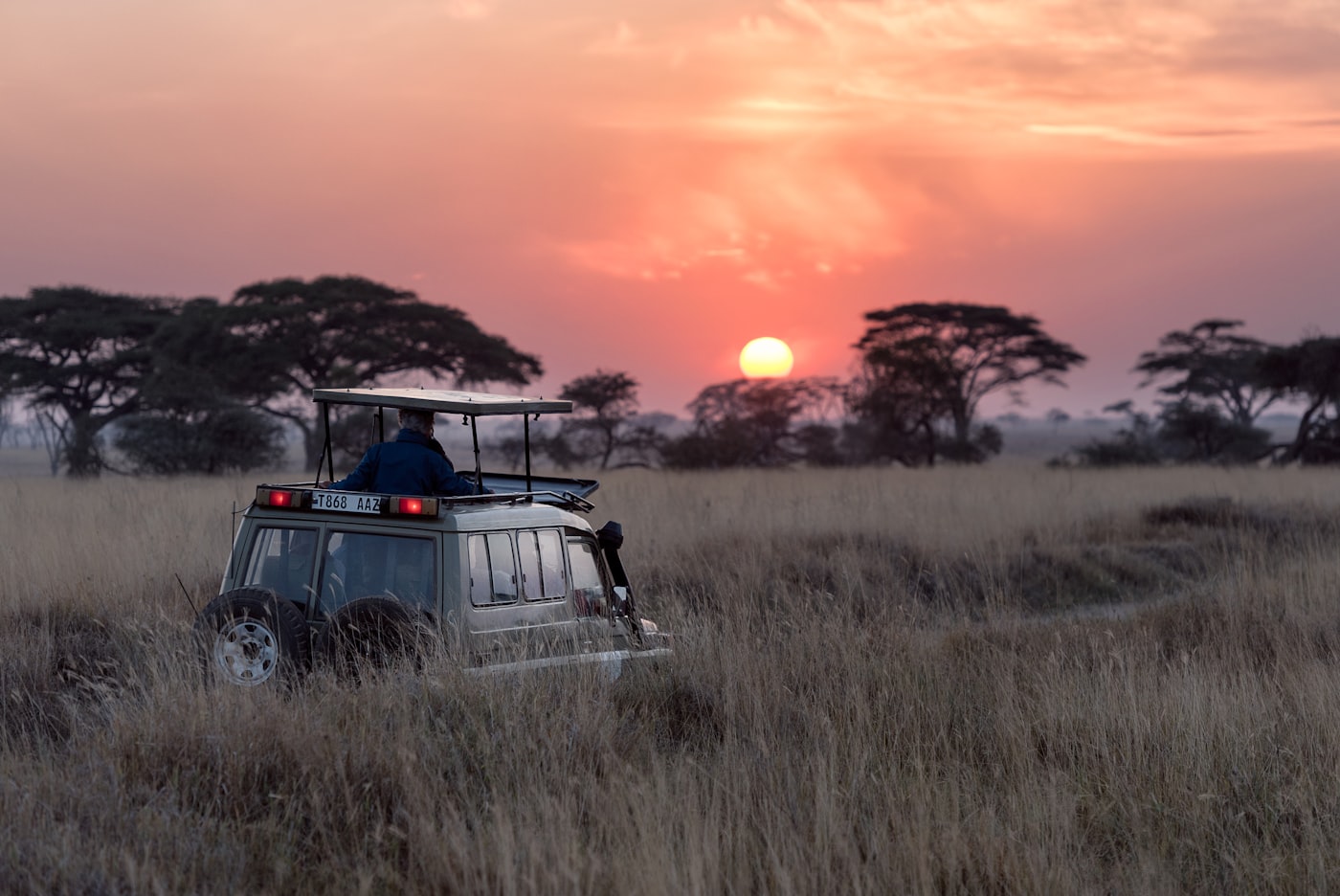
Nagarahole National Park is a noted location for rich biodiversity as it is home to a wide range of flora and fauna species. The popular wildlife species commonly found in Nagarahole National Park are - Bengal tiger, Indian elephant, sloth bear, Indian bison, leopard, Indian wild dog, four-horned antelope and so on. The national park is also home to other animals like several species of deer, primates, reptiles, and birds.
• The origin of Nagarahole National Park began with the status of a Wildlife Sanctuary in 1955, assigned an area of 285 sq. km under the Coorg district. • The wildlife sanctuary has a long history before it attained the status of a Tiger Reserve under the Wildlife (Protection) Act, 1972. • In 1983, Nagarahole was upgraded from a Wildlife Sanctuary to a National Park, with the area expansion to 571.55 sq. km. • Then, in 1986, both Nagarahole and Bandipur National Park were encompassed in the Nilgiri Biosphere Reserve. • Nagarahole National Park was included under the Project Elephant in 2000, taking into consideration the large elephant population in Nagarahole. • Consequently, it was established as a part of the Mysore Elephant Reserve. • Later, in 2003, an area of 71.84 sq. km. was further added to the existing Nagarahole National Park, making it 643.392 sq. km. • Nagarahole National Park was brought under the protection of Project Tiger in the year 2003, which gave it the status of a tiger reserve. At that time, it was treated as an extension of the Bandipur Tiger Reserve. • A few years later, in 2007, Nagarahole was officially declared a separate and independent tiger reserve. During this declaration, about 643.392 sq. km were marked as its core or critical tiger habitat. • In 2012, the Government of Karnataka further increased the protected area by adding a buffer zone to the reserve. Around 204.589 sq. km of forest land were notified as the buffer zone. With this addition, the total area managed under Nagarahole Tiger Reserve administration expanded to nearly 843.96 sq. km.
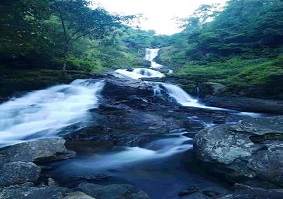
Iruppu Falls (12.3 km) - Iruppu Falls lies in the Brahmagiri Hills of Kodagu district in Karnataka, close to the border of Wayanad in Kerala. This freshwater waterfall is about 48 km from Virajpet and is located along the road leading to Nagarhole.
Thiruneli Vishnu Temple (26.8 km) - The ancient shrine of Thiruneli is dedicated to Lord Maha Vishnu. The temple is located on the side of Brahmagiri Hill in Kerala, lying close to the border of Kerala and Karnataka states. Due to its location, the picturesque beauty of the entire place is exceptional.
Mruthyunjaya Swami Temple (29.4 km) - The Sri Mruthyunjaya Swami Temple can be found in Badagarakeri, a small village situated within Virajpet Taluk.
Kabini Dam (63 km) - Kabini Dam is located in the district of Mysore, Karnataka and is built over the Kapila River. Constructed in 1974, the dam is 696 metres long. The surrounding landscape ofthe land encompasses forest, lake, valley and river and is spread across 55 hectares.
Wayanad Wildlife Sanctuary Tholpetty Safari Point (8 km) - Wayanad Wildlife Sanctuary lies adjacent to Nagarahole National Park in the state of Kerala. The wildlife destination is bestowed with lush green forests and rich wildlife. The beauty of the national park lies in the collection of the rare and endangered species of both flora and fauna.
Chikkadevammana Betta (71.2 km) - Chikkadevamma Hill is a holy spot located in Kundur village in the Mysore district of Karnataka. A small temple dedicated to Goddess Chikka Devamma stands on the top of the hill. The area around the hill is covered with forest, so visitors may see animals like elephants, leopards, deer, and other wildlife nearby.
Tea Estate Landscape (14 km) -> The tea gardens are spread over around 1,200 acres of land and, in that capacity, can yield unlimited hours of walking in the midst of such rich greenery combined with fresh mountain air and silence broken by such winged animals as the Malabar whistling thrush and Malabar hornbill.
Several conservation projects are running in Nagarahole National Park with one main goal, that is, to protect its Critical Tiger Habitat.
Eco tourism is becoming an important part of travel in Nagarahole. It is different from ‘Mass Tourism’ because it focuses on nature protection and community welfare. The idea is to promote tourism that is safe for the environment and also helps local people improve their living conditions.
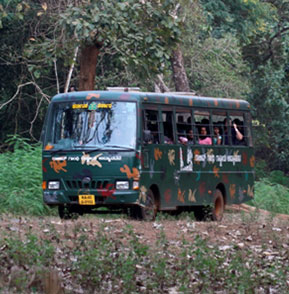
Eco-tourism activities in Nagarahole Tiger Reserve are managed in two main areas: • Nagarahole Wildlife Range • Antharasanthe Wildlife Range These zones offer visitors a chance to enjoy wildlife while supporting conservation and nearby villages.
The most rewarding time to visit Nagarahole for a wildlife tour is from October to May. The weather during these months is pleasant and suitable for safaris and sightseeing. Although Nagarahole has a tropical climate throughout the year, the monsoon season brings heavy rain, which can make travel and forest safaris difficult. For this reason, it is better to avoid visiting during the rainy months.
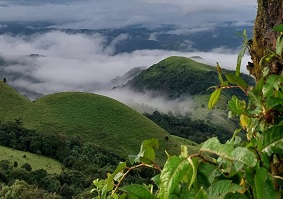
Nagarahole National Park forms part of the Nilgiri Biosphere Reserve, one of the oldest and largest protected regions in India. It lies along the Brahmagiri range of the Western Ghats and covers about 847.98 sq. km. The national park contains large stretches of teak and sandalwood forests. It shares its boundaries with Bandipur National Park, Mudumalai National Park, and Wayanad Wildlife Sanctuary. Together, these protected areas create the largest continuous forest zone in southern India.
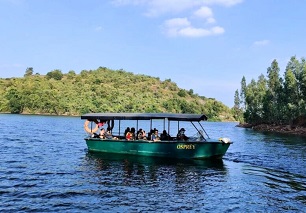
Some parts of the forest are flat and marshy, locally known as Hadlus, where plant growth is limited. The Kabini River separates Nagarahole from Bandipur Tiger Reserve. During summer, the fertile banks of the Kabini backwaters attract many elephants and tigers in search of water and food. Tigers and elephants play a key role in maintaining the balance of this ecosystem. Nagarahole lies between the Western Ghats and the Deccan Plateau, which allows bird species from both regions to thrive here. The park has different forest types, including semi-evergreen, moist deciduous, dry deciduous, and thorn forests. The Kabini and Taraka backwaters further increase wildlife variety, making Nagarahole an important bird conservation area in southern India.
Geographically, Nagarahole is located in one of the most biologically rich zones of the country, known as the Western Ghats Biogeographic Zone. It connects to Brahmagiri Wildlife Sanctuary through the Kutta corridor and borders Wayanad Wildlife Sanctuary in the southwest. The surrounding landscape includes forests, coffee plantations in Kodagu, and agricultural land toward the eastern side.
Several rivers and streams flow through the reserve, including Kabini, Taraka, Nagarahole, Sarathi, and Lakshmanthirtha. These waterways later join the Kabini and Lakshmanthirtha rivers, which eventually merge with the Cauvery River. These rivers provide essential water for farmers living near the park. The stored and flowing water also supports irrigation in many parts of Karnataka and Tamil Nadu. This water supply is a major benefit of the Nagarahole Tiger Reserve and reflects the positive impact of wildlife conservation on regional agriculture and economic stability.